
The Recipe for Change: From Surviving Appointments to Changing Policy
For a long time, I thought advocacy meant surviving the next appointment.
I thought it meant learning how to explain my pain better, how to prepare for another referral visit, how to justify why I was missing work, school, or pieces of my life to something I didn't even understand for so long, while it was reduced to just part of "being a woman." Like many patients with endometriosis, I spent years fighting to be believed before I ever understood how much of that fight was never actually about me — it was about the system itself. That realization changed everything.
Endometriosis is often treated like an isolated women's reproductive issue, but it is one of the clearest examples of systemic failure in the 21st century. Delayed diagnosis, insurance denials, medical gaslighting, lack of ADA recognition, and repeated surgical barriers are not separate problems. They are connected outcomes of the same design failure.
Cases like Virginia OBGYN Dr. Perwaiz from 2021, who was sentenced for needlessly operating on dozens of women, are often discussed as individual scandals. However, they reveal something much larger — when patients are repeatedly dismissed, overtreated, undertreated, or financially trapped, we are not looking at exceptions. We are looking at a pattern. That pattern is expensive.
In the United States alone, endometriosis carries an estimated annual economic burden of $69 to $86 billion. Patients lose an average of 11 hours of productivity every week, with more than six hours from workplace productivity and nearly five from household responsibilities. That means reduced income, missed promotions, family strain, disability use, and careers reshaped by a disease that many providers still misunderstand. Endometriosis does not just take time away from work. It takes time away from living. That is where policy enters, and that is the part most people do not realize.
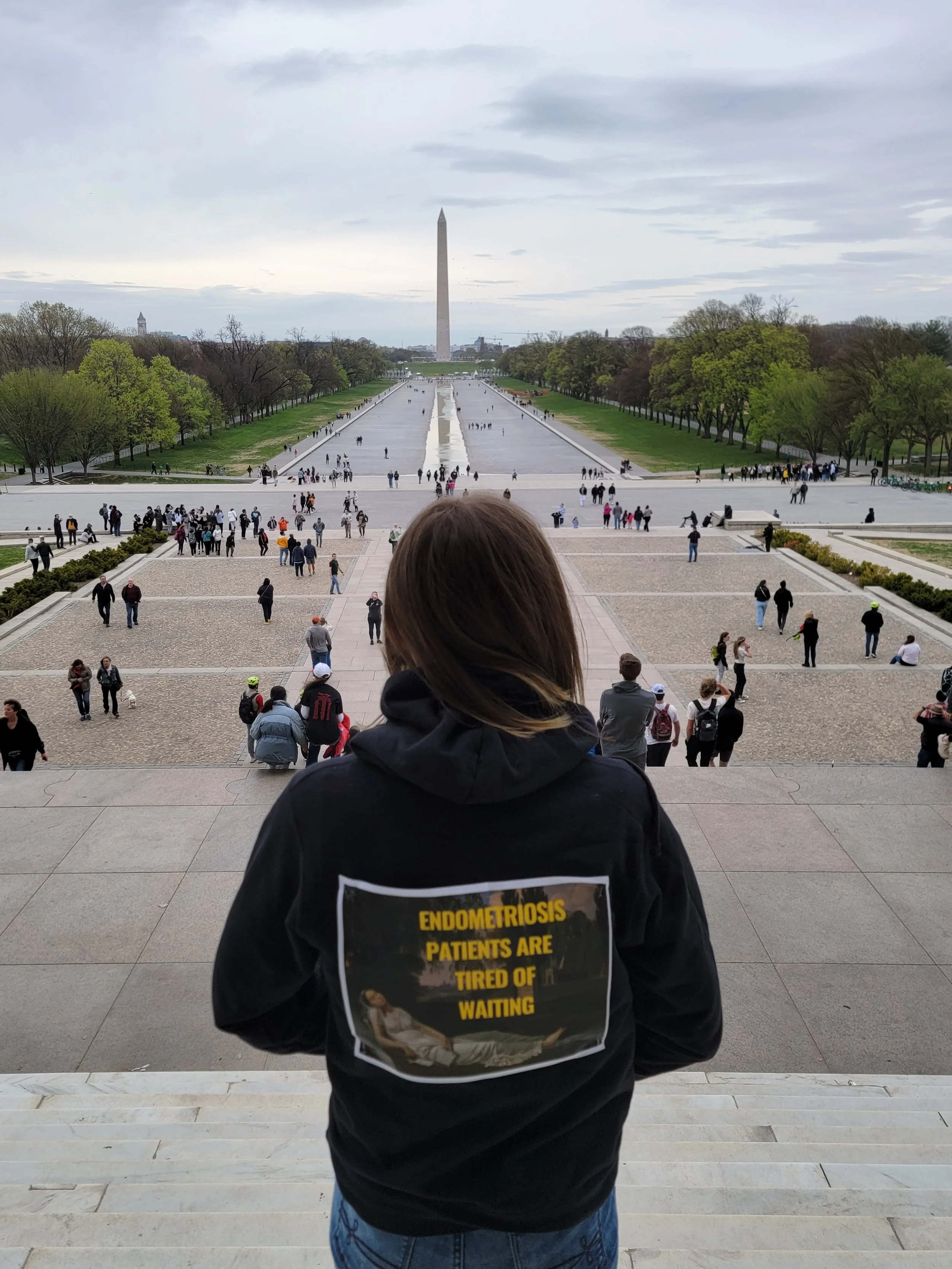
Congress may not perform surgery, but Congress influences whether research gets funded. NIH shapes how the disease is defined and studied. HHS drives oversight and accountability. CMS determines reimbursement structures that decide whether trained specialists can remain accessible. CPT coding through the AMA shapes how complex excision surgery is valued. FDA pathways matter when diagnostics and treatment development are still being built on outdated definitions. Then we have ACOG, which is responsible for surgical and treatment guidelines.
This is where advocacy becomes a civics lesson.
Through the American End of Endo Project, we teach people that advocacy means understanding where decisions are made and how to plug in. Our advocacy workshop says it best — advocacy means knowing who is in the kitchen, what they are cooking, and where you can add your ingredients to make the biggest impact. We walk patients through the three branches of government, how a bill becomes law, how appropriations language works, and why constituents matter. We show them how to find their lawmakers, identify committee assignments, understand representative priorities, and make a clear, direct ask. We also share how to use their lived experience to tie it all together.
Most people assume policy work belongs to lobbyists or large organizations. But some of the most meaningful movements happen because ordinary patients decide to keep showing up.
This past year, our AEEP "Oceans 4" team worked together to help contribute to federal appropriations language recognizing endometriosis as a chronic, systemic, inflammatory disease — not simply a reproductive disorder. That language encourages the NIH to use an updated, evidence-based definition aligned with current scientific understanding and to move research away from outdated narratives that have harmed patients for decades. No lobbyists. No big corporate backing. Just lived experience, and persistence. That is exactly what it was.
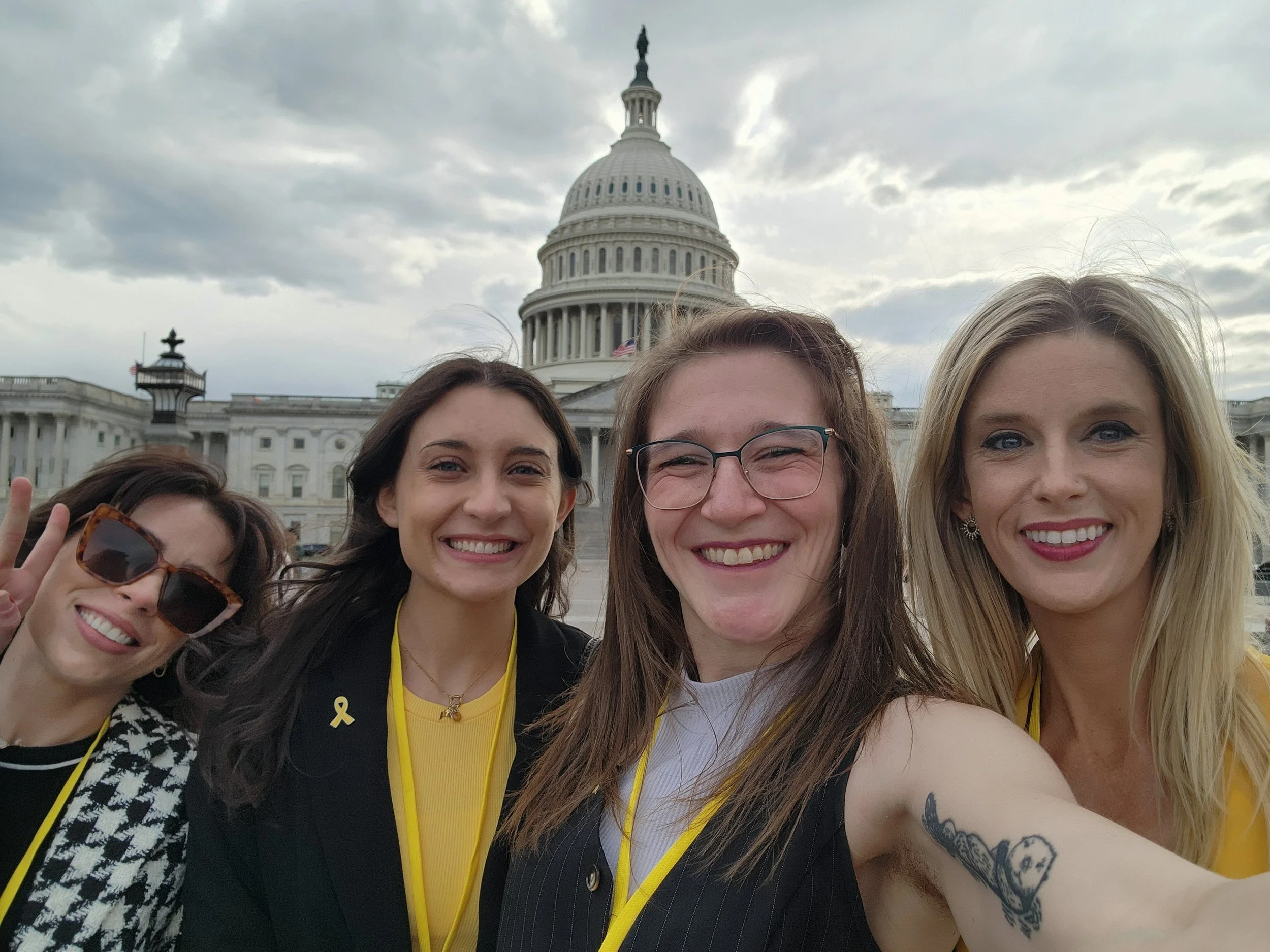
What looks like one paragraph in federal report language was actually months of calls, follow-ups, research, relationship-building, and learning how to communicate inside rooms never built for patient voices. It meant learning which offices mattered, which committee staff shaped decisions, and how appropriations in one place could springboard conversations with HHS, CMS, and broader federal accountability. That is the unique part of this process.
People often ask how I keep all the moving parts straight, and honestly, the answer is that advocacy becomes less overwhelming when you stop seeing it as random and start seeing it as systems working together, like a giant machine. One meeting leads to another. One appropriations request opens a door to reimbursement reform. One state conversation on PBM transparency connects to broader affordability reform. One workshop creates ten new advocates who now know how to speak to their own legislators. That ripple effect matters.
I saw this clearly during roundtable discussions on PBM transparency and patient affordability this March in Denver. Conversations focused heavily on cost, but I brought in the nuance that patients are still being prescribed treatments based on outdated and even falsified data. Too many people are pushed into repeated hormonal suppression, unnecessary hysterectomies, or endless "band-aid" medication cycles because the healthcare system has not caught up to the evidence. The response in the room was simple — things just need to catch up.
Patients do not live in policy timelines. They live in bodies that are expected to function a certain way.
When a six-hour excision surgery performed by a highly trained specialist is reimbursed similarly to a short procedure done by someone without disease-specific training, that is a structural failure. When insurance companies refuse to recognize surgical complexity, patients are forced into out-of-network care, massive financial loss, or dangerous delays. That is why CMS billing reform and CPT coding reforms matter so much. This is also why the battle is not won and has really just begun.
The appropriations language created a foundation, but there is still work ahead — CMS and CPT coding reform, continued HHS collaboration, FDA pathways for diagnostics and treatment development, and broader agency engagement across the federal landscape. We now have abbreviated agencies mapped and active areas of action to pursue. Genuine collaboration creates movement. That is what success looks like in advocacy. Not a single victory, but a structure being built.
For me, the shift happened when I stopped asking, "How do I survive this appointment?" and started asking, "Who controls the system creating this outcome?"
That changed everything.
Sometimes advocacy looks like legislation. Sometimes it looks like a congressional workbook with references. Sometimes it looks like a workshop teaching Civics 101 to patients who never realized they belonged in those rooms. Because they do.
Real change happens when communities rise up. Every story told, every meeting held, and every voice added creates pressure that systems cannot ignore. Endometriosis is not a niche issue. It is a public health issue, an economic issue, and a human issue. It certainly constitutes a public health crisis at this time.
Once patients understand where they can add their seasonings to the ribeye steak to make the most impact — everything starts to change.
Flying Blind: Public Health Without Population Data
On January 31, 2025, federal health agencies began removing thousands of webpages and datasets from public access in response to executive orders from the Trump Administration targeting "gender ideology" and diversity, equity, and inclusion initiatives. By February 1, over 8,000 federal webpages and 450 government domains had gone dark, including critical public health resources from the Centers for Disease Control and Prevention (CDC), National Institutes of Health (NIH), and Food and Drug Administration (FDA).
Immunologist and microbiologist Dr. Andrea Love, Executive Director of the American Lyme Disease Foundation, minced no words regarding the executive actions: "If you weren't clear: a President ordering a Federal health and disease agency to delete pages on its website is a public health crisis." The scope of removed content spans decades of population health data, from the 40-year-old Youth Risk Behavior Surveillance System to current HIV surveillance statistics. Many pages that have returned now display banners warning of further modifications, creating uncertainty around the future availability and integrity of federal health data.
This sudden removal of public health information echoes similar challenges faced during the early COVID-19 response, when limited access to comprehensive population data hampered the ability to identify and address emerging health disparities. As we examine the current situation, the key question becomes: How can evidence-based public health function without access to the very data that drives decision-making and ensures equitable health outcomes?
Scale of Impact
The removal of federal health datasets represents an unprecedented disruption to public health surveillance and research capabilities. According to KFF analysis, key resources taken offline include:
The CDC's Youth Risk Behavior Surveillance System, which for 40 years has tracked critical health indicators among high school students. This dataset has been instrumental in identifying emerging health crises, including the rise in youth mental health challenges and substance use patterns.
CDC's AtlasPlus tool, containing nearly 20 years of surveillance data for HIV, viral hepatitis, sexually transmitted infections, and tuberculosis, is no longer accessible. This platform has been essential for tracking disease trends and designing targeted prevention strategies.
The Social Vulnerability Index and Environmental Justice Index - critical tools for identifying communities at heightened risk during public health emergencies and environmental disasters - have also been removed. These resources help public health officials allocate resources effectively during crises and natural disasters.
Public health researchers report that the loss of demographic data collection and analysis capabilities particularly impacts their ability to identify and address health disparities.
As Dr. Jennifer Nuzzo, director of the Pandemic Center at Brown University School of Public Health notes, "Health equity is basically all of public health."
The ability to analyze health outcomes across different populations is fundamental to developing effective interventions and ensuring equitable access to care.
The CDC's healthcare provider resources have also been affected, including treatment guidelines for sexually transmitted infections and HIV prevention protocols. This loss of clinical guidance materials creates immediate challenges for healthcare providers working to deliver evidence-based care.
Beyond individual datasets, this wholesale removal of public health information disrupts the interconnected nature of federal health data systems. Many of these resources inform each other, creating compounding effects when multiple datasets become unavailable simultaneously.
Research and Care Delivery Impact
The removal of federal health data creates immediate challenges for both research and clinical care delivery. The Infectious Diseases Society of America (IDSA) warned that removing HIV and LGBTQ+ related resources from CDC websites "creates a dangerous gap in scientific information and data to monitor and respond to disease outbreaks."
This impact is particularly acute in STI prevention and treatment. Including gender and demographic data in research helps identify populations at elevated risk for infections like syphilis, which has reached its highest levels in 50 years. Without this data, developing targeted interventions becomes significantly more challenging.
For HIV prevention specifically, the loss of CDC's AtlasPlus tool removes access to critical surveillance data that guides prevention and treatment strategies. Healthcare providers report that missing CDC clinical guidance on HIV testing and PrEP prescribing creates uncertainty in delivering evidence-based care.
David Harvey, executive director of the National Coalition of STD Directors, emphasizes the immediate clinical impact: "Doctors in every community in America rely on the STI treatment guidelines to know what tests to run, to know what antibiotic will work on which infection, and how to avoid worsening antibiotic resistance. These are the guidelines for treating congenital syphilis, for preventing HIV from spreading, and for keeping regular people healthy every time they go to the doctor."
The loss of demographic data collection capabilities also threatens to undermine decades of progress in understanding and addressing health disparities. Research requiring analysis of health outcomes across different populations may face delays or compromised results without access to comprehensive federal datasets.
This disruption extends beyond immediate clinical care to impact long-term research projects and clinical trials. FDA guidance documents about ensuring diverse representation in clinical studies are no longer accessible, potentially affecting the development of new treatments and their applicability across different populations.
Historical Context and Implications
The current removal of federal health data follows concerning precedent. During the COVID-19 pandemic, similar actions to restrict access to public health data hampered effective response. In July 2020, hospital COVID-19 data reporting was moved from CDC control to a private contractor, leading to significant gaps in data access and accuracy that impeded pandemic response.
As Harvard epidemiologist Nancy Krieger notes, "There's been a history in this country recently of trying to make data disappear, as if that makes problems disappear... But the problems don't disappear, and the suffering gets worse."
This observation proved accurate during COVID-19, when limited access to comprehensive demographic data delayed recognition of disparate impacts on communities of color.
Early COVID-19 response efforts were hampered by insufficient data about how the virus affected different populations. This information gap contributed to delayed identification of emerging hotspots and slowed targeted intervention efforts. The result was preventable disparities in COVID-19 outcomes, particularly among Black, Hispanic, and Native American communities.
Today's wholesale removal of federal health data risks recreating similar blind spots across multiple public health challenges. Without demographic data to identify disparities and guide interventions, public health officials lose the ability to effectively target resources and measure outcomes. As Dr. Jennifer Nuzzo emphasizes, this data is "really important for us to answer the essential question of public health, which is, Who is being affected and how do we best target our limited resources?"
Legal Response and Policy Challenges
On February 4, 2025, Doctors for America filed suit against multiple federal agencies including the Office of Personnel Management (OPM), Centers for Disease Control and Prevention (CDC), Food and Drug Administration (FDA), and Department of Health and Human Services (HHS).
The lawsuit challenges two key actions: OPM's directive requiring agencies to remove webpages and datasets, and the subsequent removal of critical health information by CDC, FDA, and HHS. The complaint argues these actions violated both the Administrative Procedure Act and the Paperwork Reduction Act of 1995 (PRA).
Under the PRA, federal agencies must "ensure that the public has timely and equitable access to the agency's public information" and "provide adequate notice when initiating, substantially modifying, or terminating significant information dissemination products." The complaint alleges agencies failed to provide required notice before removing vital health information and datasets.
The legal challenge emphasizes the fundamental role these datasets play in public health. According to the filing, "The removal of the webpages and datasets creates a dangerous gap in the scientific data available to monitor and respond to disease outbreaks, deprives physicians of resources that guide clinical practice, and takes away key resources for communicating and engaging with patients."
Nine out of twelve public health researchers on CDC's advisory board signed a letter to the agency's acting director seeking explanation for the data removal. These scientists expect to face consequences for speaking out but emphasize the critical nature of maintaining public access to health data.
Data Preservation Efforts
As federal health datasets disappeared, researchers and institutions launched rapid preservation efforts. Harvard University organized its first "datathon" to archive website content through the Wayback Machine, while other academic institutions worked to preserve datasets locally.
The Kaiser Family Foundation reports having downloaded significant portions of CDC data prior to removal. While some CDC data files have been restored, they currently lack essential documentation like questionnaires and codebooks needed for analysis.
For healthcare providers needing immediate access to clinical guidelines, medical associations are working to provide archived copies of treatment protocols. The Infectious Disease Society of America and HIV Medicine Association are coordinating with members to ensure continued access to critical clinical resources.
State health departments maintain some parallel data collection systems that may help fill gaps in federal surveillance. However, these systems often rely on federal frameworks for standardization and analysis, potentially limiting their utility as standalone resources.
These preservation efforts, while necessary, cannot fully replace the coordinated federal data infrastructure needed for comprehensive public health surveillance and research.
Recommendations
Healthcare providers and public health officials should consider these immediate steps to ensure continued access to vital health information:
Data Access and Preservation
Download and securely store copies of restored CDC datasets, including documentation
Maintain offline copies of current clinical guidelines and protocols
Establish relationships with academic institutions archiving federal health data
Alternative Data Sources
Connect with state and local health departments to access regional surveillance data
Utilize medical society and professional organization resources for clinical guidance
Consider participating in alternative data collection networks being established by research institutions
Advocacy Actions
Support ongoing legal efforts to restore data access
Document specific impacts of data loss on care delivery and research
Engage with professional organizations coordinating preservation efforts
Future Planning
Develop contingency plans for maintaining essential health surveillance
Build redundant data collection systems where feasible
Strengthen partnerships with academic and nonprofit research organizations
These steps cannot fully replace federal health data infrastructure but may help maintain critical public health functions while broader access issues are resolved.