The Recipe for Change: From Surviving Appointments to Changing Policy
For a long time, I thought advocacy meant surviving the next appointment.
I thought it meant learning how to explain my pain better, how to prepare for another referral visit, how to justify why I was missing work, school, or pieces of my life to something I didn't even understand for so long, while it was reduced to just part of "being a woman." Like many patients with endometriosis, I spent years fighting to be believed before I ever understood how much of that fight was never actually about me — it was about the system itself. That realization changed everything.
Endometriosis is often treated like an isolated women's reproductive issue, but it is one of the clearest examples of systemic failure in the 21st century. Delayed diagnosis, insurance denials, medical gaslighting, lack of ADA recognition, and repeated surgical barriers are not separate problems. They are connected outcomes of the same design failure.
Cases like Virginia OBGYN Dr. Perwaiz from 2021, who was sentenced for needlessly operating on dozens of women, are often discussed as individual scandals. However, they reveal something much larger — when patients are repeatedly dismissed, overtreated, undertreated, or financially trapped, we are not looking at exceptions. We are looking at a pattern. That pattern is expensive.
In the United States alone, endometriosis carries an estimated annual economic burden of $69 to $86 billion. Patients lose an average of 11 hours of productivity every week, with more than six hours from workplace productivity and nearly five from household responsibilities. That means reduced income, missed promotions, family strain, disability use, and careers reshaped by a disease that many providers still misunderstand. Endometriosis does not just take time away from work. It takes time away from living. That is where policy enters, and that is the part most people do not realize.
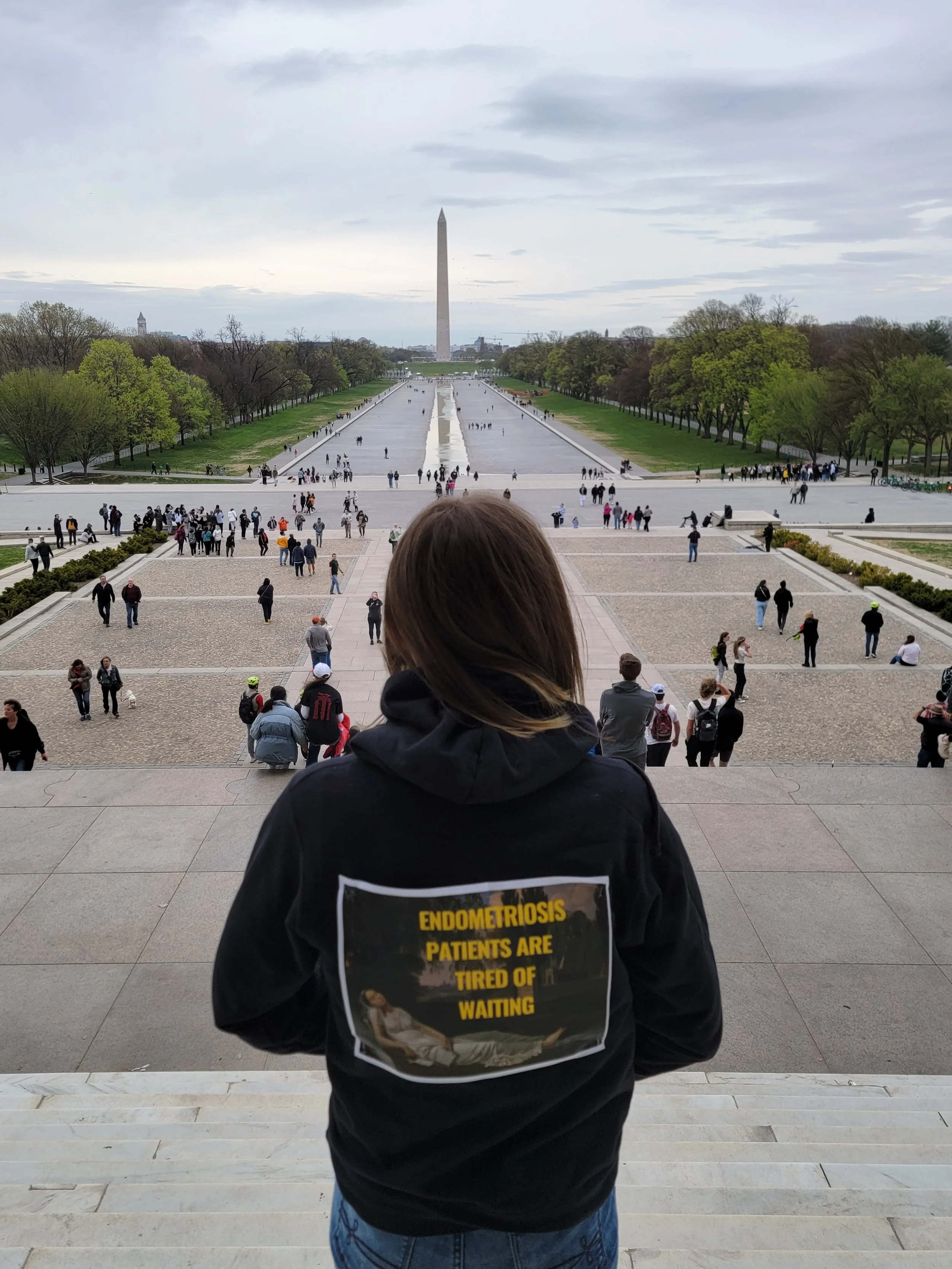
Congress may not perform surgery, but Congress influences whether research gets funded. NIH shapes how the disease is defined and studied. HHS drives oversight and accountability. CMS determines reimbursement structures that decide whether trained specialists can remain accessible. CPT coding through the AMA shapes how complex excision surgery is valued. FDA pathways matter when diagnostics and treatment development are still being built on outdated definitions. Then we have ACOG, which is responsible for surgical and treatment guidelines.
This is where advocacy becomes a civics lesson.
Through the American End of Endo Project, we teach people that advocacy means understanding where decisions are made and how to plug in. Our advocacy workshop says it best — advocacy means knowing who is in the kitchen, what they are cooking, and where you can add your ingredients to make the biggest impact. We walk patients through the three branches of government, how a bill becomes law, how appropriations language works, and why constituents matter. We show them how to find their lawmakers, identify committee assignments, understand representative priorities, and make a clear, direct ask. We also share how to use their lived experience to tie it all together.
Most people assume policy work belongs to lobbyists or large organizations. But some of the most meaningful movements happen because ordinary patients decide to keep showing up.
This past year, our AEEP "Oceans 4" team worked together to help contribute to federal appropriations language recognizing endometriosis as a chronic, systemic, inflammatory disease — not simply a reproductive disorder. That language encourages the NIH to use an updated, evidence-based definition aligned with current scientific understanding and to move research away from outdated narratives that have harmed patients for decades. No lobbyists. No big corporate backing. Just lived experience, and persistence. That is exactly what it was.
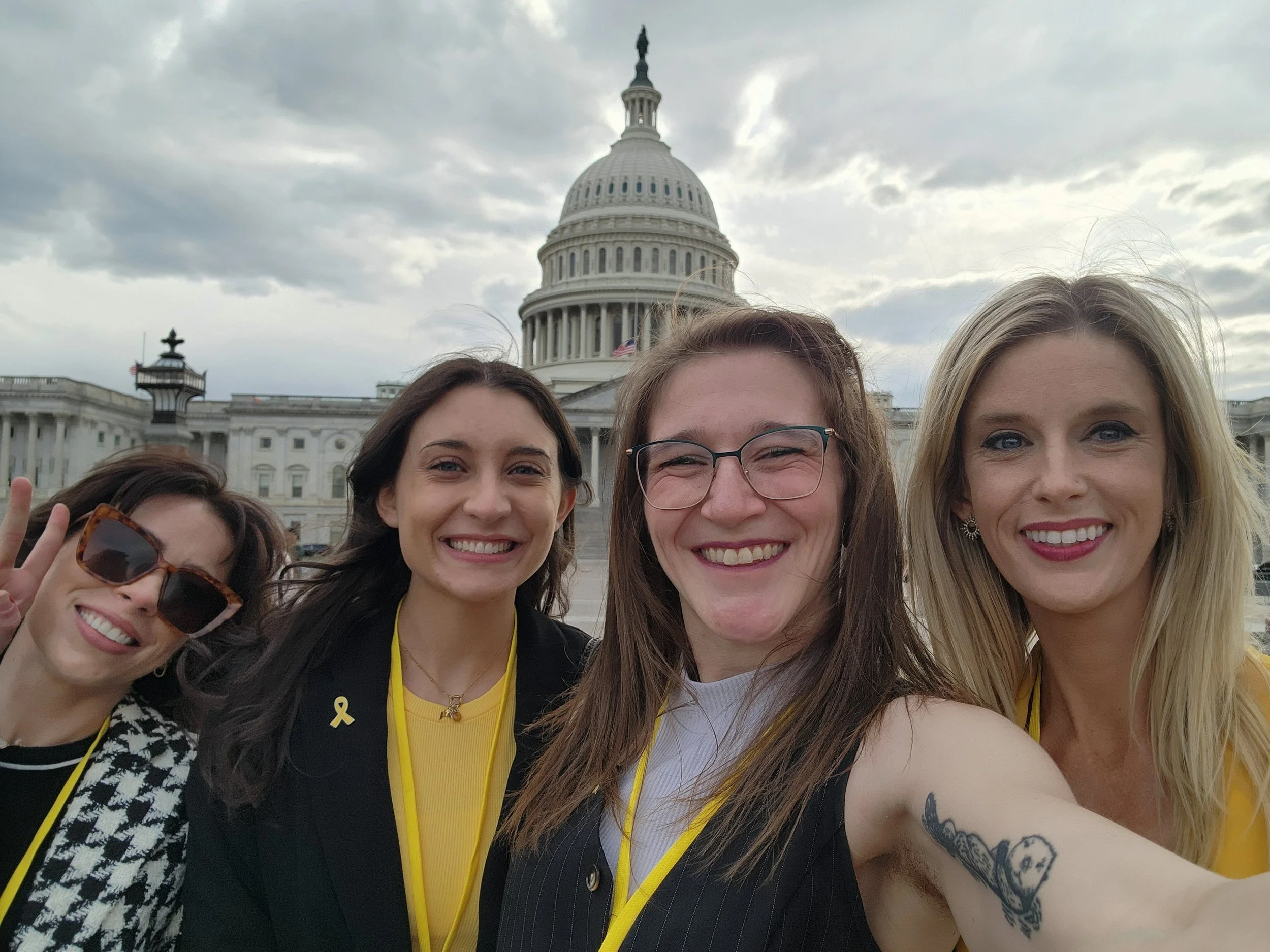
What looks like one paragraph in federal report language was actually months of calls, follow-ups, research, relationship-building, and learning how to communicate inside rooms never built for patient voices. It meant learning which offices mattered, which committee staff shaped decisions, and how appropriations in one place could springboard conversations with HHS, CMS, and broader federal accountability. That is the unique part of this process.
People often ask how I keep all the moving parts straight, and honestly, the answer is that advocacy becomes less overwhelming when you stop seeing it as random and start seeing it as systems working together, like a giant machine. One meeting leads to another. One appropriations request opens a door to reimbursement reform. One state conversation on PBM transparency connects to broader affordability reform. One workshop creates ten new advocates who now know how to speak to their own legislators. That ripple effect matters.
I saw this clearly during roundtable discussions on PBM transparency and patient affordability this March in Denver. Conversations focused heavily on cost, but I brought in the nuance that patients are still being prescribed treatments based on outdated and even falsified data. Too many people are pushed into repeated hormonal suppression, unnecessary hysterectomies, or endless "band-aid" medication cycles because the healthcare system has not caught up to the evidence. The response in the room was simple — things just need to catch up.
Patients do not live in policy timelines. They live in bodies that are expected to function a certain way.
When a six-hour excision surgery performed by a highly trained specialist is reimbursed similarly to a short procedure done by someone without disease-specific training, that is a structural failure. When insurance companies refuse to recognize surgical complexity, patients are forced into out-of-network care, massive financial loss, or dangerous delays. That is why CMS billing reform and CPT coding reforms matter so much. This is also why the battle is not won and has really just begun.
The appropriations language created a foundation, but there is still work ahead — CMS and CPT coding reform, continued HHS collaboration, FDA pathways for diagnostics and treatment development, and broader agency engagement across the federal landscape. We now have abbreviated agencies mapped and active areas of action to pursue. Genuine collaboration creates movement. That is what success looks like in advocacy. Not a single victory, but a structure being built.
For me, the shift happened when I stopped asking, "How do I survive this appointment?" and started asking, "Who controls the system creating this outcome?"
That changed everything.
Sometimes advocacy looks like legislation. Sometimes it looks like a congressional workbook with references. Sometimes it looks like a workshop teaching Civics 101 to patients who never realized they belonged in those rooms. Because they do.
Real change happens when communities rise up. Every story told, every meeting held, and every voice added creates pressure that systems cannot ignore. Endometriosis is not a niche issue. It is a public health issue, an economic issue, and a human issue. It certainly constitutes a public health crisis at this time.
Once patients understand where they can add their seasonings to the ribeye steak to make the most impact — everything starts to change.